
Creating an Encrypted File Container with LUKS
LUKS (Linux Unified Key Setup) provides disk encryption that is considered to be the standard for Linux-based systems. This article will cover the basics of how to create an encrypted file container for use on a Linux system.
Encrypting a Flash Drive in Linux using LUKS

Learn how to encrypt a flash drive in Linux using LUKS, ensuring data security against loss or theft with step-by-step instructions for beginners.
But AI Can Give Me the Commands! Why You Still Need to Learn the Linux File System

Understanding the Linux file system is essential for effective troubleshooting and system management, beyond relying solely on AI for commands. Learn the structure to navigate with confidence.
From Linux to PowerShell and Back: A Quick Command Reference
A comparison between Linux commands and their PowerShell equivalent. You’ll be able to navigate around a system more effectively with the other.
Privilege Escalation via File Descriptors in Privileged Binaries
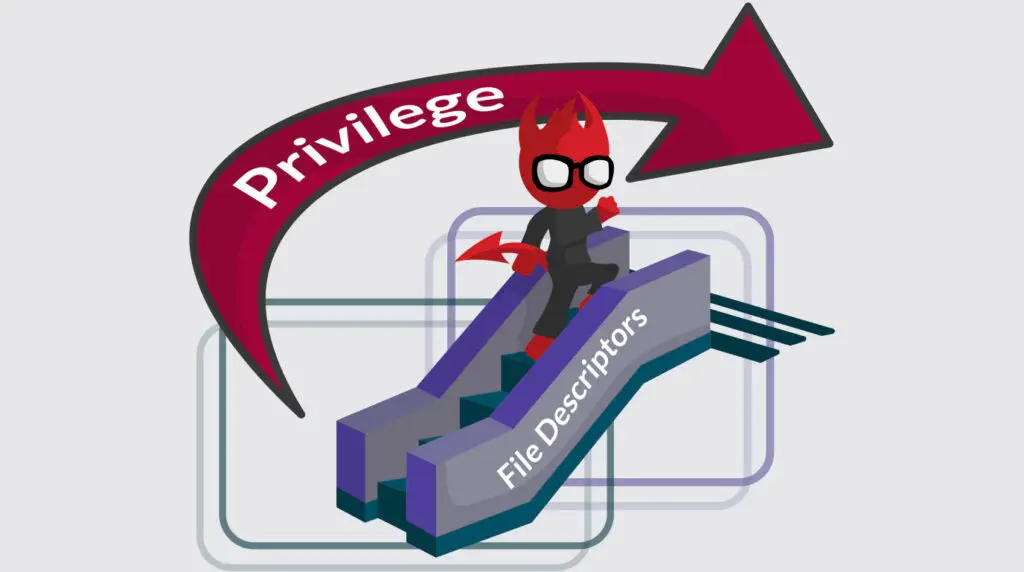
Post on SetUID drop-privileges binaries with leaked file descriptors, allowing for PrivEsc. Covers how to exploit & a tool to streamline exploitation.
How to Update the Nmap OUI Database

A blog post on how to update the nmap-mac-prefixes file to improve nmap’s OUI detection and provides a script to help streamline the process.
LD_PRELOAD: Making a Backdoor by Hijacking accept()

A demonstration on how to use LD_PRELOAD to create a backdoor in processes by hooking the accept() function.
Linux X86 Assembly – How To Test Custom Shellcode Using a C Payload Tester

Overview In the last blog post in this series, we created a tool to make it easy to build our custom payloads and extract them.
Linux X86 Assembly – How To Make Payload Extraction Easier

How to extract the payload itself for use in exploits.
Linux X86 Assembly – How to Make Our Hello World Usable as an Exploit Payload

Overview In the last two tutorials, we built a Hello World program in NASM and GAS for x86 assembly.