
Twelve Days of ZAPMAS – Day 6 – Passive Flaw Detection and Using the HUD

Day 6 of the series looks at ZAP’s use of passive detection rules to identify problems, and it’s injectable head’s up display (HUD).
Twelve Days of ZAPmas – Day 5 – Scope and Contexts

Day 5 of the series goes over the use of ZAP’s contexts and scope specifier to keep your attacks in-scope.
Twelve Days of ZAPmas – Day 7 – API Testing with Postman and ZAP

Day 7 of the series sets up Postman to proxy through Zed Attack Proxy, and explains why I prefer this setup for my API testing.
Twelve Days of ZAPmas – Day 3 – CYA (Cover Your Auth)

The third entry in the Twelve Days of ZAPmas series deals with using Zed Attack Proxy’s request tampering to check if your authorization controls work.
Twelve Days of ZAPmas – Day 2 – The Edge of Tomorrow

This second post in the 12 day series uses OWASP Zed Attack Proxy to modify and replay traffic we captured on day 1.
Twelve Days of ZAPmas – Day 1 – Setting Up ZAP

This post kicks off the 12 day series by setting up OWASP Zed Attack Proxy and walks through the manual steps to setup Chrome or Firefox to proxy through.
JuiceShop Workshop in less than 5 minutes
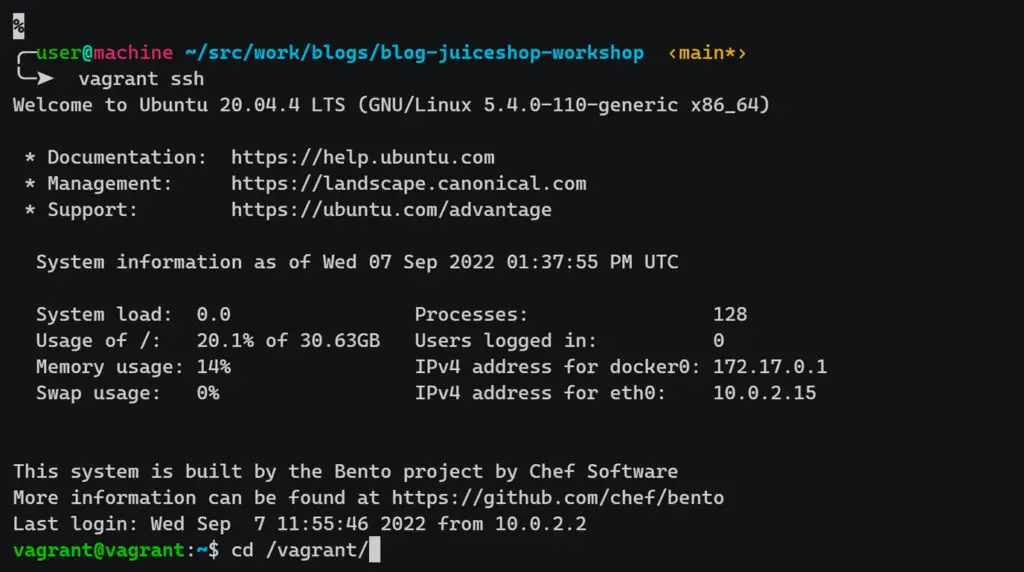
Have you ever deployed 10-30 containers in AWS with the single stroke of a key? Keep reading to find out how we did exactly this for a training class.
[Update] Using Components with Known Vulnerabilities

You would like to imagine that the attacker crafted a new exploit, leveraging a zero-day vulnerability that no one has any protection against.
Using Components with Known Vulnerabilities

When dealing with cyber vulnerabilities, there are lots of threats that are unknown and ever changing that can put users at risk.
Three C-Words of Web App Security: Part 3 – Clickjacking

Prologue back in April, called A Brief Evolution of Web Apps, to set the scene for those less versed in web application history.